

If you’re considering dental implants, you’ve likely heard various stories about the process, including concerns about discomfort and post-operative care. It’s natural to feel apprehensive about any dental procedure, but understanding the facts can help alleviate your concerns and prepare you for what to expect. So, let’s address the burning question: Do dental implants hurt a lot? And how to manage the post-operative care?
Understanding the Procedure:
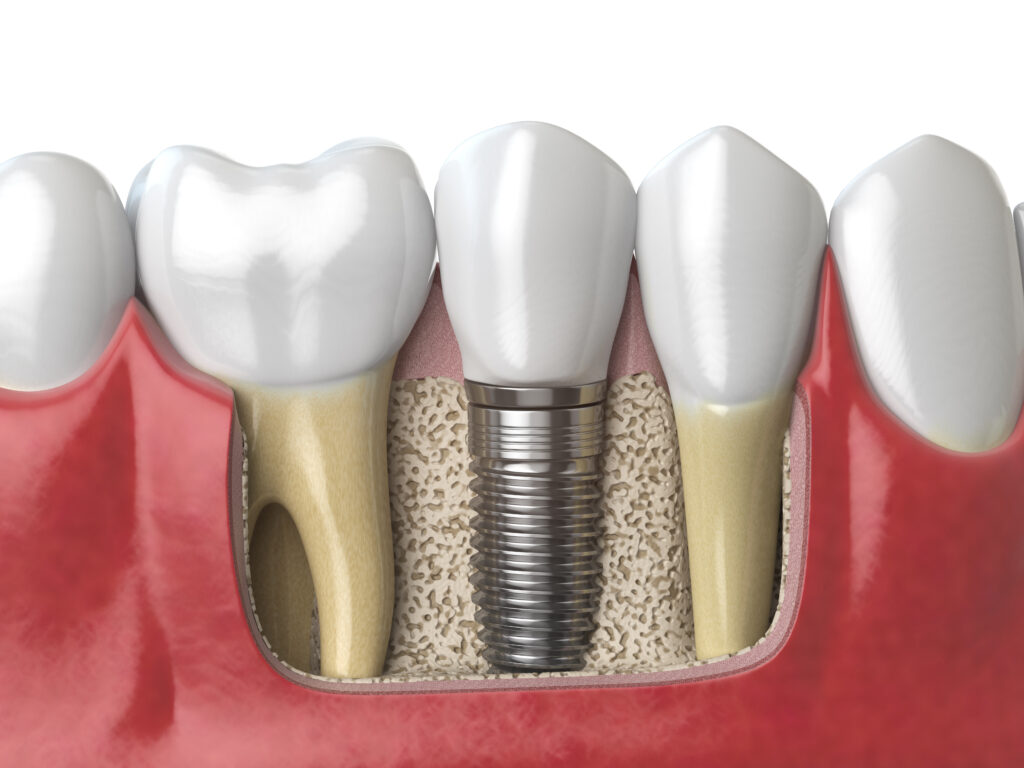
Before diving into discomfort levels, it’s essential to understand the dental implant procedure itself. Dental implants are a modern solution for replacing missing teeth, offering stability, functionality, and aesthetics akin to natural teeth. The procedure involves surgically placing titanium implants into the jawbone, which serve as sturdy foundations for dental restorations such as crowns, bridges, or dentures.
Managing Discomfort:
Now, onto the million-dollar question: Does getting dental implants hurt? The truth is, discomfort levels vary from person to person, but the majority of patients report minimal discomfort during the procedure. Local anesthesia is administered to numb the treatment area, ensuring you feel little to no discomfort during the implant placement process. Some patients may experience slight pressure or vibrations, but it’s rare to feel intense pain.
After the procedure, it’s normal to experience some degree of soreness or swelling, similar to any surgical procedure. However, this discomfort is typically mild and can be managed effectively with over-the-counter pain medications prescribed by your dentist. Applying ice packs to the cheek near the treated area can also help reduce swelling and alleviate discomfort.
Post-Operative Care:
Proper post-operative care is crucial for promoting healing and ensuring the long-term success of your dental implants. Here are some essential post-operation care tips to follow:
- Oral Hygiene: Maintain excellent oral hygiene by gently brushing the implant site with a soft-bristled toothbrush and using a non-alcoholic antimicrobial mouthwash as recommended by your dentist. Be cautious not to disturb the surgical site to avoid irritation.
- Dietary Considerations: Stick to a soft diet for the first few days after surgery to avoid putting pressure on the implant site. Opt for soft foods such as yogurt, soup, mashed potatoes, and smoothies. Avoid hard, crunchy, or sticky foods that could potentially dislodge the implant or cause discomfort.
- Follow-Up Appointments: Attend all scheduled follow-up appointments with your dentist to monitor your healing progress and ensure everything is proceeding as expected. Your dentist will provide personalized guidance based on your specific needs and recovery timeline.
- Avoid Smoking and Alcohol: Refrain from smoking and consuming alcohol during the initial healing period, as these habits can impair the healing process and increase the risk of complications.
- Physical Activity: Avoid strenuous physical activities and heavy lifting for the first few days after surgery to minimize the risk of bleeding, swelling, and discomfort. Gradually resume your regular activities as directed by your dentist.
By following these post-operative care instructions diligently and maintaining open communication with your dental care team, you can ensure a smooth recovery process and maximize the longevity of your dental implants.