


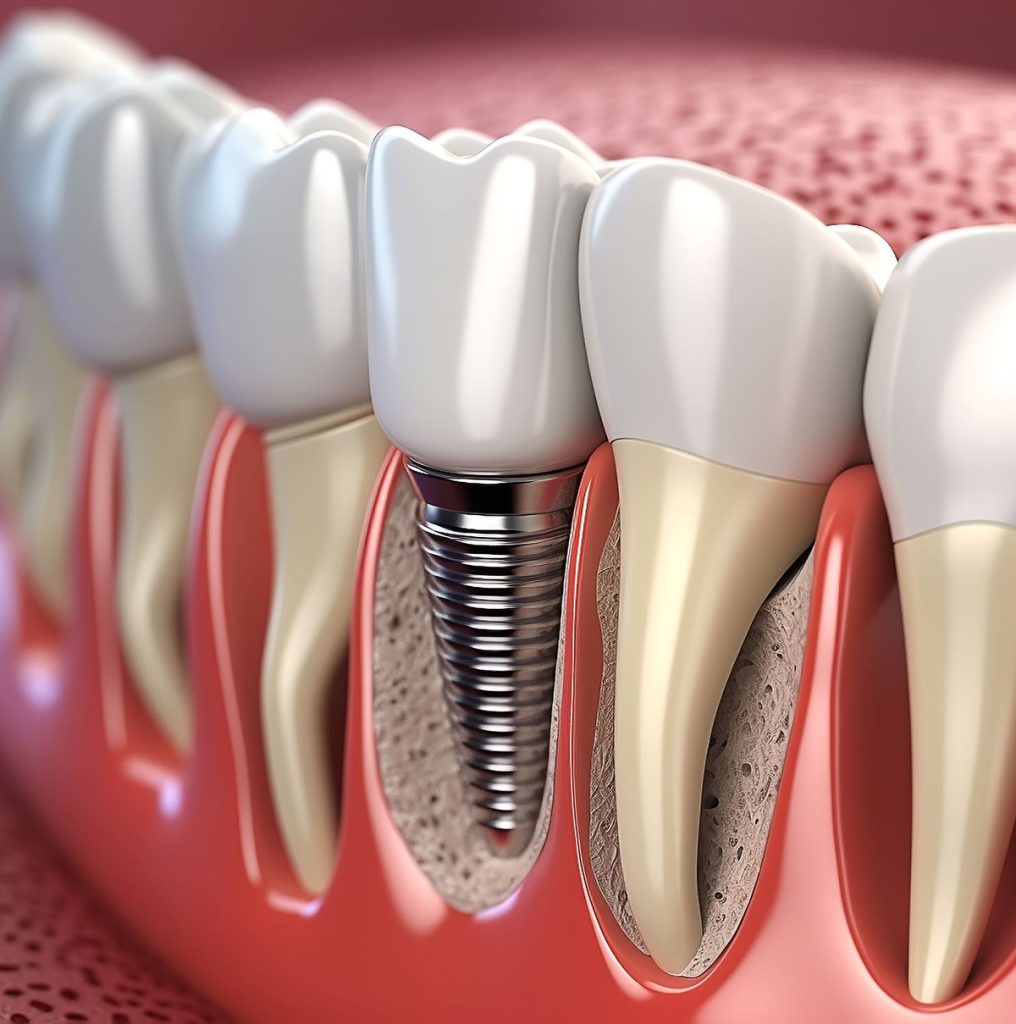
Dental implants are a popular and effective way to replace missing teeth, offering a natural look and feel. However, like natural teeth, dental implants require proper care to ensure their longevity and health. This guide will walk you through the essential steps and tips for taking care of your dental implants.
1. Maintain Good Oral Hygiene
Proper oral hygiene is crucial to prevent infections around the implant and ensure its success. Here’s how to maintain it:
- Brush Regularly: Brush your teeth at least twice a day using a soft-bristle toothbrush. Make sure to clean all surfaces of your teeth and implants.
- Use the Right Toothpaste: Avoid abrasive toothpaste that can scratch the surface of your implants. Use a non-abrasive toothpaste recommended by your dentist.
- Floss Daily: Floss around your implants daily to remove plaque and food particles. Consider using a floss threader or a water flosser for easier access.
- Use Antibacterial Mouthwash: Rinse with an antibacterial mouthwash to reduce plaque and bacteria that can cause infections.
2. Regular Dental Check-Ups
Regular dental check-ups are essential for monitoring the health of your implants and surrounding tissues.
- Professional Cleanings: Schedule professional cleanings at least twice a year. Your dentist or hygienist will use special tools to clean around the implants without damaging them.
- Implant Monitoring: During your check-ups, your dentist will examine the implants for any signs of problems, such as inflammation or bone loss, and take necessary action.
3. Avoid Hard and Sticky Foods
Certain foods can damage your dental implants or the surrounding teeth and gums.
- Hard Foods: Avoid biting down on hard foods like ice, hard candies, or nuts, which can crack or damage the implants.
- Sticky Foods: Stay away from sticky foods like caramel and chewing gum that can adhere to the implants and cause plaque buildup.
- Sugary Foods and Drinks: Limit your intake of sugary foods and beverages, as they can increase the risk of plaque buildup and infection.
4. Quit Smoking
Smoking can significantly impact the success of dental implants. It reduces blood flow to the gums, delaying healing and increasing the risk of implant failure. If you smoke, consider quitting to ensure the longevity and health of your dental implants.
5. Protect Your Implants from Damage
Physical trauma can damage your dental implants. Take steps to protect them:
- Wear a Mouthguard: If you play contact sports or grind your teeth at night (bruxism), wear a mouthguard to protect your implants from damage.
- Avoid Using Teeth as Tools: Do not use your teeth to open packages, bottles, or other items, as this can damage your implants.
6. Monitor for Signs of Problems
Stay vigilant for any signs of issues with your dental implants. Common signs to watch for include:
- Redness or Swelling: Inflammation around the implant site can indicate an infection.
- Pain or Discomfort: Persistent pain or discomfort may be a sign of a problem with the implant.
- Loose Implant: If the implant feels loose or moves, contact your dentist immediately.
Taking care of dental implants involves maintaining good oral hygiene, regular dental visits, avoiding harmful foods, quitting smoking, protecting the implants from damage, and monitoring for signs of problems. By following these steps, you can ensure the health and longevity of your dental implants, enjoying a beautiful and functional smile for years to come.
If you have any specific questions or concerns about your dental implants, don’t hesitate to consult your dentists. They can provide personalized advice and care tailored to your needs.