


Porcelain veneers have gained immense popularity as a cosmetic dental treatment for enhancing smiles. These thin shells of porcelain are custom-made to cover the front surface of teeth, providing a durable and aesthetically pleasing solution for various dental imperfections. If you’re considering porcelain veneers to achieve your dream smile, it’s essential to understand how long they last and how to properly care for them to ensure their longevity. In this article, we’ll delve into these crucial aspects to help you make informed decisions about your dental health and appearance.
How Long Do Porcelain Veneers Last?
Porcelain veneers are renowned for their durability and longevity when compared to other cosmetic dental treatments. On average, porcelain veneers can last between 10 to 15 years or even longer with proper care and maintenance. However, the lifespan of your veneers may vary depending on several factors, including:
- Quality of Materials: High-quality porcelain veneers crafted from durable materials tend to last longer than lower-grade alternatives. It’s essential to work with a specialized dentist who knows dental materials well and employs skilled dental technicians to fabricate your veneers.
- Oral Hygiene Practices: Proper oral hygiene is paramount for the longevity of your porcelain veneers. Brushing twice a day with a non-abrasive toothpaste, flossing daily, and using antimicrobial mouthwash can help prevent plaque buildup, decay, and gum disease, which can compromise the integrity of your veneers.
- Avoiding Hard or Sticky Foods: While porcelain veneers are durable, they are not indestructible. Avoid biting into hard objects or chewing on ice, pens, or fingernails, as this can chip or fracture your veneers. Similarly, refrain from consuming sticky or hard-to-chew foods that can place excessive stress on your veneers.
- Regular Dental Check-ups: Routine dental examinations and professional cleanings are essential for monitoring the condition of your veneers and addressing any issues early on. Your dentist can detect signs of wear, damage, or decay and recommend appropriate interventions to prolong the lifespan of your veneers.
- Protective Mouthguards: If you engage in sports or activities that pose a risk of dental injury, wearing a custom-fitted mouthguard can help protect your porcelain veneers from trauma and damage.
How to take care of the Porcelain Veneers
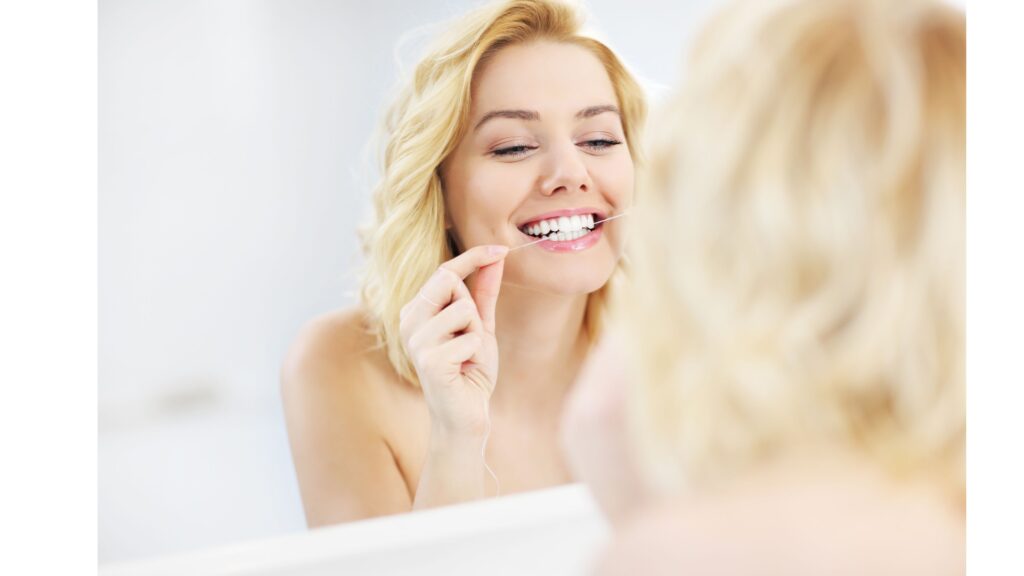
Taking care of your porcelain veneers is relatively simple and requires following a few basic guidelines:
- Maintain Good Oral Hygiene: Brush your teeth at least twice a day with a soft-bristled toothbrush and fluoride toothpaste. Floss between your teeth daily to remove plaque and food debris from hard-to-reach areas.
- Use Non-Abrasive Dental Products: Avoid using abrasive toothpaste or abrasive cleaning products, as they can scratch the surface of your veneers and diminish their appearance over time.
- Avoid Staining Agents: While porcelain veneers are resistant to staining, it’s still advisable to limit your consumption of staining beverages such as coffee, tea, red wine, and soda. If you do indulge, rinse your mouth with water afterward or use a straw to minimize contact with your veneers.
- Quit Smoking: Tobacco products not only stain natural teeth but can also discolor the adhesive used to bond porcelain veneers to the teeth. Quitting smoking can help preserve the appearance and longevity of your veneers.
- Attend Regular Dental Check-ups: Visit your dentist for biannual check-ups and cleanings to ensure the health and integrity of your veneers. Your dentist can identify any issues early on and provide prompt treatment to prevent further damage.
- Address Bruxism: If you suffer from bruxism (teeth grinding or clenching), wearing a nightguard while sleeping can help protect your veneers from wear and damage caused by excessive force.
In summary, porcelain veneers offer a long-lasting and transformative solution for enhancing your smile. By practicing good oral hygiene, avoiding habits that can damage your veneers, and attending regular dental appointments, you can enjoy the benefits of your veneers for many years to come. If you have any concerns about the care or maintenance of your porcelain veneers, don’t hesitate to consult with your dentist for personalized guidance and advice.